
Why Outer Banks Salt Air Corrodes Your Pool Equipment and How to Prevent It: Pool Maintenance in Nags Head, NC
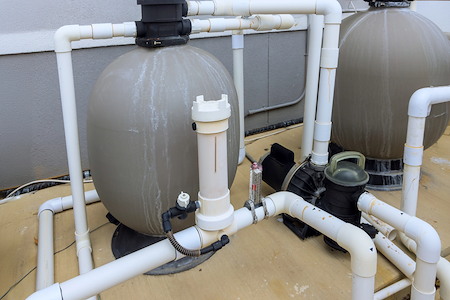
Living by the ocean is a gift, but salty air is tough on pool equipment. Chloride-rich mist settles on metal and electronics, then humidity helps it stick. Over time, that film turns into pitting, rust, and seized parts. If you want your heater, pump, and automation to last in Nags Head, you need a coastal plan built for OBX conditions. That is exactly what our pool maintenance service delivers for local homeowners.
Below, we explain how salt air causes damage, why it happens faster on the Outer Banks, and the maintenance checklist our techs follow for long life and fewer breakdowns.
What Salt Air Does to Pool Equipment
Salt moves with the breeze as tiny droplets. Those droplets land on warm, working equipment and leave behind chloride ions. On heaters and pumps, chlorides break down protective oxide layers on metals. That opens the door to pitting and crevice corrosion, especially around fasteners and gaskets.
Different metals touching each other can also create tiny electrical cells. That galvanic action accelerates corrosion at joints, manifolds, and mounting points. You may first notice “tea staining” on stainless screws, whitening on aluminum parts, or rust rings under bolts. Electrical connectors can turn green or brittle. Heat pump fins can powder and crumble, cutting efficiency and shortening compressor life.
Why Nags Head Conditions Speed Up Corrosion
Our coastline concentrates salt in the air. Oceanfront homes in South Nags Head see near-constant spray, but soundside neighborhoods like Old Nags Head Cove are not spared. Winds shift, carrying brackish moisture across the islands. High summer humidity keeps surfaces damp for hours, so salt stays active on metal parts.
Nor’easters and tropical systems push dense, salty fog into every crevice. After these events, equipment can go from fine to failing in a single season if no one rinses and protects it. That is why a routine built for OBX weather is not a “nice to have.” It is essential.
OBX Pool Equipment Salt-Defense Maintenance Checklist
This is the schedule our technicians follow for coastal systems in Nags Head. It focuses on safe, professional care rather than homeowner tinkering. We tailor timing by proximity to the beach and exposure to wind.
- Freshwater exterior rinse of heater, pump housings, filter shells, and exposed metal: 1–2 times per week May through September; weekly October through April; and after every major wind event.
- Post-storm visit: professional fresh-water rinse, inspection of burner trays, heat pump coils, control boards, and bonding/grounding points; replace salt-saturated pads or corroded fasteners as needed.
- Protective coatings: apply corrosion-inhibiting spray to fasteners and brackets monthly during peak salt season; renew high-solids epoxy or polyurethane topcoat on exposed metal annually before hurricane season.
- Electrical connections: clean and protect terminals with dielectric-grade products quarterly to reduce salt creep and arcing.
- Sacrificial anodes (where applicable): inspect every 3–6 months and replace once roughly 50% consumed to shield vulnerable metals.
- Airflow care for heaters and heat pumps: keep clearances open and salt-catching debris removed during each service to maintain proper ventilation and reduce trapping of moist air.
We perform these tasks during scheduled visits as part of an OBX-focused plan. If your home is oceanfront or fully exposed, the frequency increases to match conditions.
Materials and Coatings That Last on the Coast
Not all “stainless” is equal. 316-grade stainless fasteners and trims resist chloride attack better than common 304. Powder-coated parts last longer when the base is primed with an epoxy layer and then topped with a UV-stable finish. On heaters, corrosion-resistant headers and marine-rated fasteners hold up better than standard kits.
Heat pumps face special risks. Salt attacks thin aluminum fins first, reducing airflow and raising energy use. Protective coil coatings help, but they must be designed for salty, humid environments. Our team selects coatings that maintain thermal transfer and are field-serviceable. We also seal vulnerable cable entries and use UV-resistant conduit to limit cracking that invites salty moisture.
Never assume factory metal is “coastal ready.” Ask for coastal-grade components and document the coating type and reapplication schedule during maintenance. That paper trail pays off when parts need evaluation later.
Local insight: After a nor’easter, salt crystals can form inside control boxes even if the door looks closed. Wait for a professional inspection before restarting equipment. This avoids short circuits and protects warranties.
Smarter Placement and Enclosures Near the Dunes
Location matters on a barrier island. Equipment pads tucked behind solid fences can trap salty air. Simple changes in placement or venting can lower exposure without starving heaters of fresh air. Open-bottom, louvered windbreaks reduce direct spray while allowing air to move through.
Elevation helps too. A slightly higher pad keeps storm wash from soaking motors and bases. Drains should carry rinse water and salt away from metal feet. In tight lots between cottages, thoughtful spacing prevents cross-spray from neighboring outdoor showers and hoses. Our site visits in Nags Head look for these details and document solutions that match your lot and wind patterns.
Warning Signs You Need Service Now
- Rust streaks under bolts or at the heater base
- White, chalky scale or flaking on aluminum housings and fins
- Musty or “metallic” smell from equipment after storms
- Intermittent ignition or error codes on cool, damp mornings
- Unusual fan or motor noise, especially after windy days
If you notice any of these, pause operation and book a professional check. Do not wrap or seal gas heaters with plastic to “protect” them. That traps salty moisture and creates a corrosion chamber.
How Our OBX-Focused Service Protects Your Investment
At OBX Yard Co., we build maintenance plans around real Outer Banks weather, not a generic inland schedule. We track wind exposure, material types, and age of each component. Notes from each visit include photos, coating dates, and anode status. That way, we can make targeted recommendations before salt causes major failures.
Our technicians focus on the chemical impact of salty air on metals and seals. They verify bonding and grounding at equipment pads, since small electrical issues can speed up corrosion. When helpful, we specify upgraded fasteners, coil coatings, and coastal-rated replacements that align with the manufacturer’s guidance. If you want a deeper look at care topics around your property, browse our blog for seasonal maintenance ideas that pair well with pool care.
Many homeowners start with a spring service to reset after winter winds. We then follow a rinse-and-protect rhythm through summer and a thorough post-storm check when needed. Consistent, light attention beats heavy, occasional overhauls on the coast.
A Weekly Rhythm That Works in Nags Head
During peak season, our schedule aims to remove salt film before it becomes active again. We plan visits early in the week after weekend winds and before high-use days. In South Nags Head where exposure is constant, we increase checks on heater vents, pump seals, and any unpainted brackets.
For homes in Old Nags Head Cove and soundside streets, breezes can swirl salt into backyards even when you are far from the beach. Our crews watch these microclimates and adjust. The result is steadier water quality, better heater performance, and hardware that lasts longer between replacements.
When Repairs Make More Sense Than Repeated Cleanups
Sometimes corrosion has already taken hold. Manifolds pit, bolts seize, and coil fins crumble. In those cases, replacement of targeted parts with coastal-rated materials can save you time and future service calls. We document the condition, explain options in plain language, and handle the work as part of our coastal pool service.
Catching problems early is almost always the least disruptive path. Small upgrades now can prevent mid-season breakdowns that spoil family time and rental schedules.
Why Choose OBX Yard Co. for Pool Maintenance in Nags Head, NC
We live and work here, so our plans reflect OBX wind, salt, and storm patterns. Our team is trained to spot and slow the specific chemical reactions salt causes on heaters, pumps, seals, and electronics. We use proven protective coatings and document reapplication dates, anode condition, and fastener changes so nothing slips through the cracks.
If you are searching for pool maintenance in Nags Head, NC that addresses salt air head-on, we are ready to help. We service oceanfront and soundside homes, from South Nags Head to neighborhoods tucked near the bypass.
Ready to Protect Your Pool Equipment?
Give OBX Yard Co. a quick call at 252-256-3501 to set up a coastal inspection and a season-long plan. We will design a rinse and protection schedule around your exposure, apply the right coatings, and track it all so you do not have to. Let us keep your system running strong through salty summers and stormy shoulder seasons.

Our Complete Services
You shouldn't have to dial up a dozen different contractors to get the perfect custom landscaping you want. As a full-service landscaper, our comprehensive line-up of landscaping and pool services covers just about anything our customers need. If you'd like to request an estimate for any of the following services, reach out online or by phone today!
- Pool Installation
- Pool Maintenance & Service
- Landscaping
- Lawn Care
- Irrigation Installation & Repair
- Drainage Solutions
- Commercial Pool & Landscape Services